How difficult is the NexStar 8SE to set up?
Assembly takes 20–30 minutes on first use, dropping to 10–15 minutes with practice. The GoTo alignment requires entering date, time, and location, then centering two alignment stars in the eyepiece as prompted. The process is well-documented, and Celestron's setup videos are clear and thorough. Most observers feel comfortable with the 8SE within 3–4 sessions.
Can the NexStar 8SE be used for astrophotography?
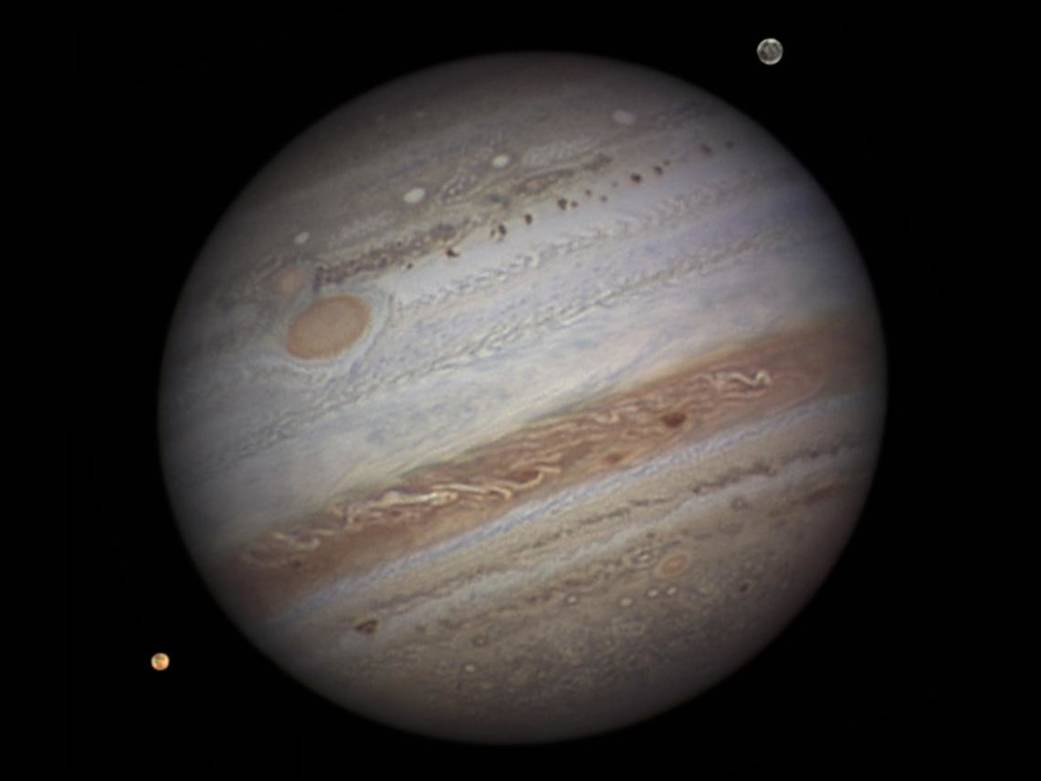
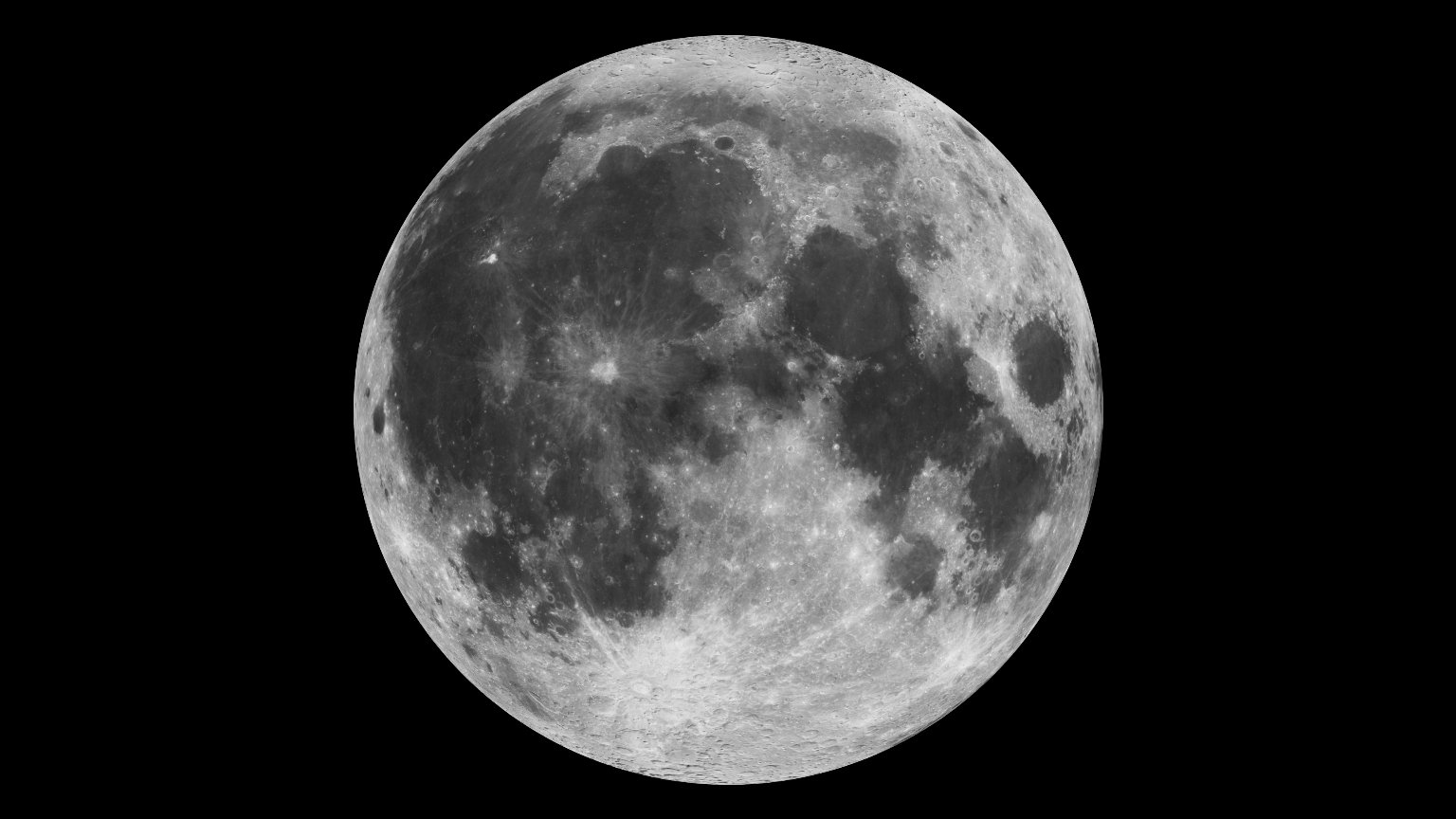
The 8SE on its standard alt-azimuth GoTo mount can do planetary imaging (short-exposure video stacking for Jupiter, Saturn, Mars, Moon) very effectively. For long-exposure deep-sky astrophotography, you need an equatorial wedge — which lets the mount track in polar alignment mode, eliminating field rotation. The NexStar 8SE is compatible with Celestron's equatorial wedge (sold separately), transforming it into a capable deep-sky imaging platform.
How does the NexStar 8SE perform on galaxies?
Very well for visual use. The 8SE shows all 110 Messier objects with clear detail. M31 (Andromeda) with its satellite galaxies M32 and M110, M81/M82, M51 (Whirlpool), and M104 (Sombrero) are all excellent targets. The f/10 focal ratio means wide-field views require a 2-inch wide-angle eyepiece (sold separately), but the image quality at higher power for smaller galaxies is superb. Under moderately dark skies, the 8SE reaches magnitude 13–14 objects.
What accessories should I buy with the NexStar 8SE?
The most impactful accessories: (1) A dew heater band for the corrector plate — essential in humid conditions. (2) A quality 2-inch star diagonal with an adapter for wider-field views. (3) A 30–40mm wide-angle 2-inch eyepiece for low-power galaxy and nebula hunting. (4) A 12V DC power supply — 8×AA batteries drain quickly. (5) For astrophotography: a T-ring and camera adapter to attach a DSLR or mirrorless camera at prime focus.
Is the NexStar 8SE good for seeing Saturn?
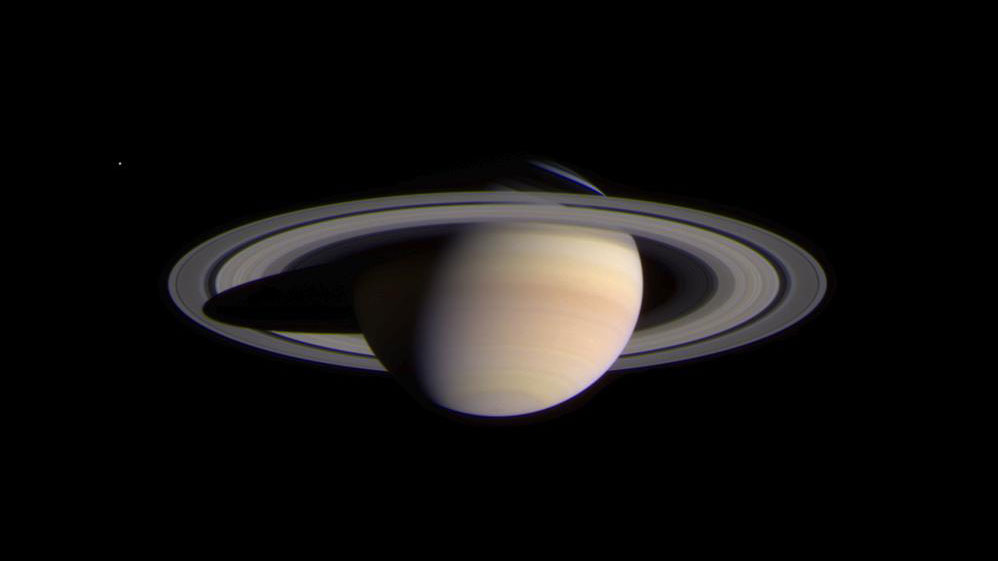
Outstanding. The 8SE at 200–250× is one of the best visual Saturn setups available. The long f/10 focal ratio delivers high image contrast, the Cassini Division is clearly defined, and multiple cloud belts and 4–6 moons are visible. The motorized tracking keeps Saturn centered at high magnification without needing to manually nudge the scope every few seconds. See our full guide: How to See Saturn With a Telescope in 2026.
Is the Celestron NexStar 8SE good for beginners?
The 8SE is manageable for motivated adults, but it is not an ideal first telescope. The GoTo alignment process has a genuine learning curve, and at ~$800–$1,000, it's a significant investment for someone still deciding if astronomy is for them. Beginners with technical patience will adapt within 3–4 sessions — Celestron's documentation is thorough, and the astronomy community has extensive 8SE resources. If you're just starting out, our best telescopes for beginners guide covers gentler, more affordable entry points.
What is the difference between the NexStar 8SE and the NexStar 6SE?
The key difference is aperture: 203mm (8 inches) vs 150mm (6 inches). The 8SE gathers 82% more light than the 6SE, which translates to brighter, more detailed views of planets and deeper reach on faint deep-sky objects. The 6SE is lighter (12 kg vs 18 kg total), easier to carry, and noticeably less expensive. Both use the same f/10 Schmidt-Cassegrain optical design and the NexStar+ hand controller with 40,000+ objects. If portability and budget are top priorities, the 6SE is excellent. If optical performance matters most, the 8SE is the clear choice.
How long does the NexStar 8SE take to set up?
Physical assembly (tripod, mount arm, optical tube) takes 15–20 minutes on first use and 8–12 minutes with practice. GoTo alignment adds another 5–10 minutes — enter your date, time, and location, then center two alignment stars in the eyepiece as prompted. Also plan for a 30–45 minute cool-down after bringing the scope outside from indoors (the closed tube retains heat). Total time from car to first object: approximately 45–60 minutes on a first session, dropping to 20–30 minutes once you're familiar with the routine.
Does the NexStar 8SE need an equatorial wedge for astrophotography?
For planetary photography (short-exposure video stacking of Jupiter, Saturn, Mars, and the Moon), no — the standard alt-azimuth GoTo mount works excellently. For long-exposure deep-sky astrophotography (galaxies, nebulae, star clusters requiring exposures over 60–90 seconds), yes, an equatorial wedge is essential. Without polar alignment, field rotation causes stars to trail in long exposures. Celestron's equatorial wedge (sold separately, ~$150–$250) converts the 8SE to polar-aligned tracking, enabling multi-minute deep-sky exposures.
What eyepieces are best for the NexStar 8SE?
The included 23mm eyepiece (88×) is a good starting point, but the most impactful upgrades are: (1) A quality 8–10mm wide-field eyepiece for planetary viewing at 200–250× (e.g., Explore Scientific 62° 8.8mm or Celestron Luminos 10mm). (2) A 35–40mm 2-inch eyepiece for low-power galaxy and nebula hunting (e.g., Celestron Ultima 40mm). (3) A 2× Barlow lens to double any eyepiece's magnification. (4) A quality 1.25" or 2" star diagonal. Avoid eyepieces under 6mm focal length — the atmosphere rarely supports the magnification they produce on all but the finest nights.
How much does the Celestron NexStar 8SE cost in 2026?
The NexStar 8SE typically retails for $800–$1,000 in 2026, depending on the retailer and any active promotions. Celestron periodically bundles it with accessories. Check Amazon for current pricing — the price can fluctuate by $50–$150 over time. For a complete setup, budget additionally for: a dew heater ($30–$60), a 12V DC power supply ($30–$50), and an upgraded eyepiece or two ($50–$150). If astrophotography is planned, add ~$200 for the equatorial wedge. Total cost for a fully equipped 8SE setup: $1,100–$1,400.
Is the NexStar 8SE worth it compared to a Dobsonian?
It depends on your priorities. An 8-inch Dobsonian (e.g., Sky-Watcher Classic 200P) costs 40–50% less than the 8SE and delivers the same aperture — with a faster focal ratio that's slightly better for wide-field deep-sky views. The Dobsonian won't track objects or find them automatically. The NexStar 8SE adds GoTo automation, motorized two-axis tracking, and astrophotography capability (with wedge) in a more compact form factor — all at a substantial price premium. Choose the Dobsonian for deep-sky visual observing on a budget. Choose the 8SE if you want object-finding assistance, hands-free tracking, and the option to image later. See our best Dobsonian telescopes guide for the top Dob picks.